
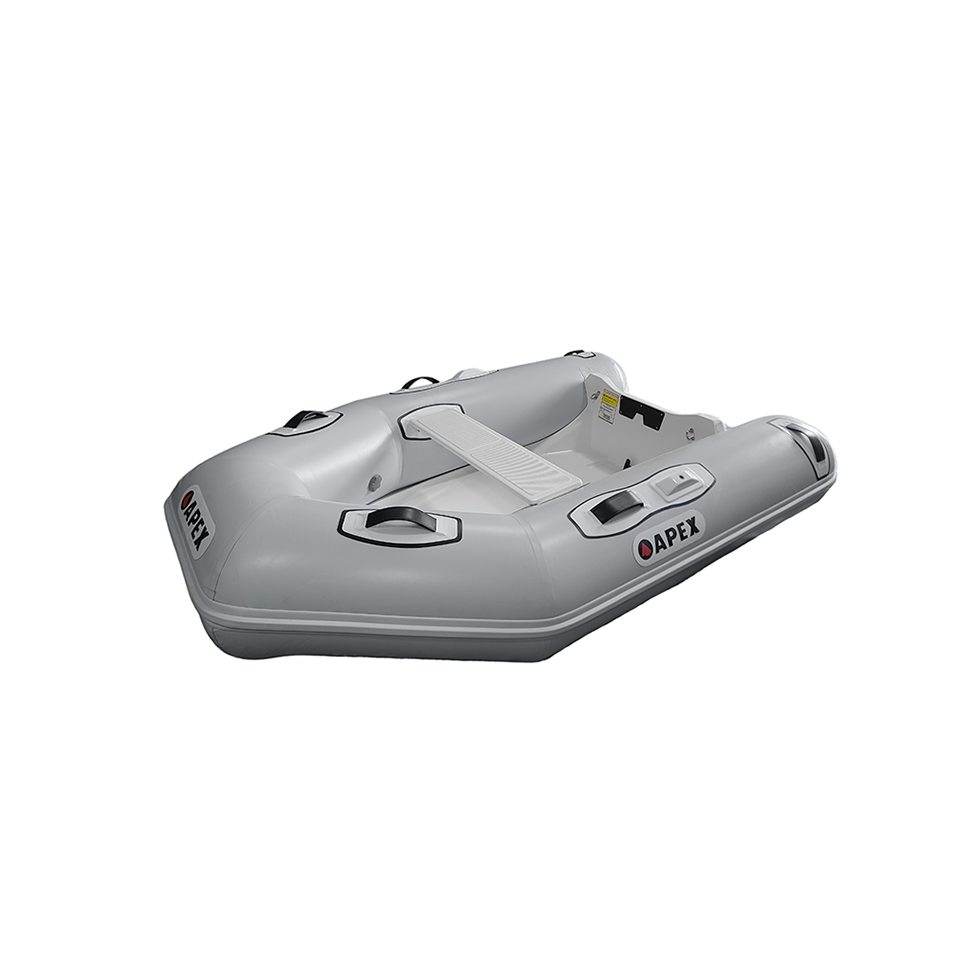
The boat ramp is where confidence goes to die. A line of trucks waiting behind you does not help. Here’s how to load, back down, and launch without becoming the story everyone tells at the dock later.
Backing the trailer down — the trick that actually works
Put your hand at the bottom of the steering wheel. Move your hand right, the trailer goes right. Move it left, the trailer goes left — it’s the opposite of how the wheel normally feels, which is exactly why people panic and oversteer. Small movements only. If you turn too far, the trailer jackknifes and you have to pull all the way forward to reset. Go slow enough that you can correct before that happens.
Before you even get to the ramp
- Remove the transom straps and disconnect trailer lights (submerging live wiring shortens their life)
- Load loose gear, coolers, and anything that could fall out during the launch
- Make sure the drain plug is in — this is the single most forgotten step, and it turns a five-minute launch into a boat slowly filling with water at the dock
Launching: keep it controlled
- Back down until the boat starts to float off the bunks or rollers — usually when the rear tires are just at or slightly in the water, but this varies by trailer
- Set the parking brake, put the vehicle in park
- Attach a bow or stern line before releasing the winch strap, so the boat doesn’t drift off on its own
- Release the winch strap and walk the boat off, or use light reverse throttle if the engine’s already down and running
- Move the boat to a dock or holding area immediately — don’t leave it floating at the ramp while you park
Loading back onto the trailer
Line up with the trailer from a distance, not right at the ramp — drifting in crooked and trying to correct at the last second is how trailers get hit. Approach centered and slow, use light throttle to drive the boat up onto the bunks or rollers until the winch strap can reach the bow eye, then winch it the rest of the way tight.
The mistake that holds up every line at the ramp
Doing prep work — straps, plug, gear — at the ramp itself instead of in the parking area beforehand. Every boater behind you is dealing with the exact same ramp anxiety you are; prepping in the staging area before you back down is the single biggest courtesy (and time-saver) at any public ramp.
When backing a trailer never feels natural
Some vehicle-trailer combinations are just harder to reverse than others — a longer wheelbase and shorter trailer tongue exaggerate every steering input, which is why the same person can back down easily with one rig and struggle with another. If you’re setting up a new tow combination, it’s worth a few practice runs in an empty parking lot before your first real ramp day.