
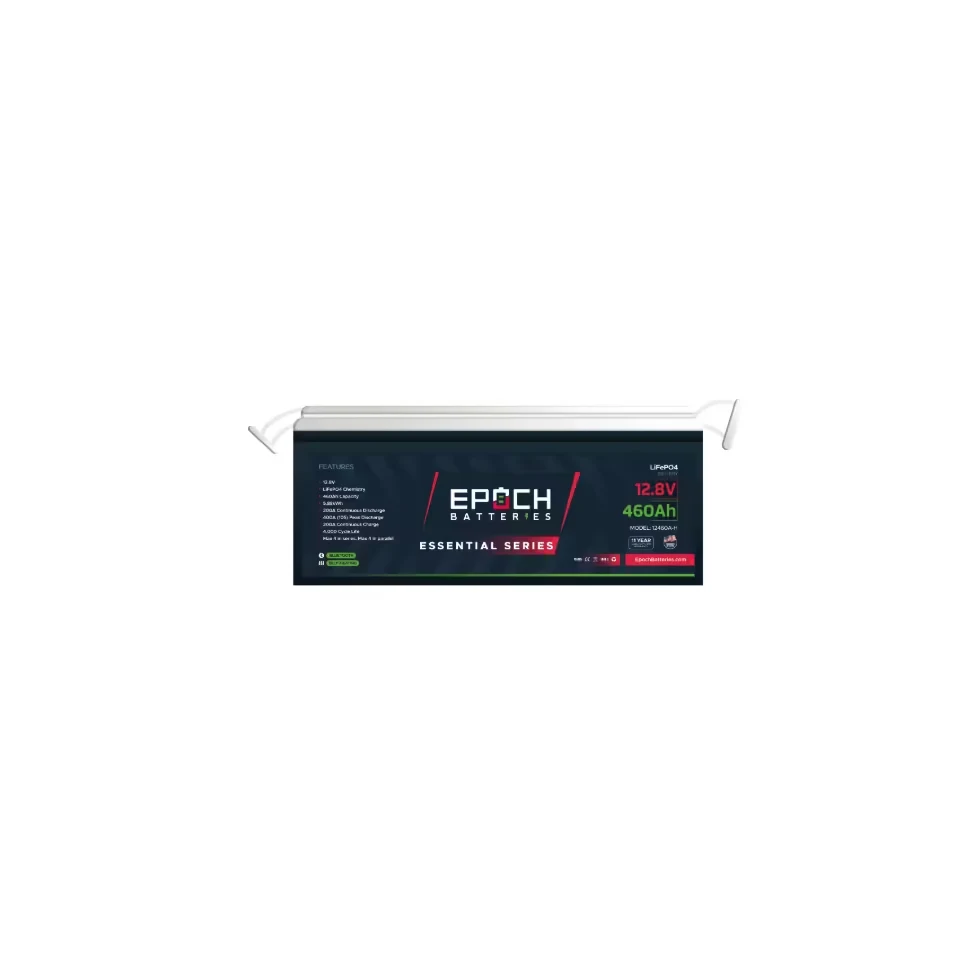
A marine battery that dies after a year probably wasn’t a bad battery — it was probably charged wrong. Boat batteries live a harder life than car batteries (deep discharge cycles, vibration, long idle periods) and they punish sloppy charging habits fast. Here’s how to actually do it right.
Match the charger to the battery chemistry — this is the step people skip
Flooded lead-acid, AGM, gel, and lithium batteries all want different charge voltages and profiles. Using a flooded-battery charger on an AGM battery, or any lead-acid charger on lithium, either undercharges it constantly or slowly damages it — sometimes both, at different stages of the charge cycle. Check what chemistry you actually have before assuming any charger will do.
Why “it’s plugged in” isn’t the same as “it’s charging correctly”
A basic charger that just pushes constant current can overcharge a battery that’s already near full, cooking off electrolyte in flooded batteries or generating excess heat in AGM and lithium batteries. A proper marine charger uses a multi-stage profile:
- Bulk stage — fast charge up to about 80%
- Absorption stage — slower, controlled charge to top off safely without overheating
- Float stage — maintains full charge without overcharging during storage
If your charger doesn’t do all three automatically, you’re either undercharging or slowly shortening the battery’s life every cycle.
Multi-bank setups — don’t just wire everything together
Charging a house bank and a starting battery off the same single output, without a proper multi-bank charger or isolator, means one battery can rob charge from the other or receive the wrong charge profile for its role. A charger with independent bank outputs, sized to your actual number of batteries, prevents one weak battery from dragging down a healthy one.
Lithium changes the rules
Lithium batteries charge faster, tolerate deeper discharge, and don’t need a float stage the same way lead-acid does — but they need a charger built specifically for lithium’s voltage curve and a battery management system (BMS) that most lead-acid chargers don’t communicate with correctly. Don’t assume your existing charger is compatible just because the voltage looks close. See our lithium vs AGM comparison for what actually changes.
The mistake that kills batteries slowly: letting them sit discharged
A battery left partially or fully discharged for weeks — common in off-season storage — sulfates internally, permanently reducing capacity. This damage is often irreversible by the time you notice reduced runtime the following season. A charger that maintains float charge through storage, not just one you plug in before a trip, is what actually protects the battery long-term.
Signs you’re charging wrong, not that the battery is just old
- Battery runs hot during charging (should be warm at most, not hot)
- Charger indicator never reaches “full” even after hours
- Runtime drops noticeably faster each season despite normal use
Any of these are worth checking against your charger’s compatibility with your battery type before assuming the battery itself has failed.
Sizing a charger for your battery bank correctly makes the biggest difference here — compare options in our marine battery chargers matched to flooded, AGM, gel, or lithium setups.