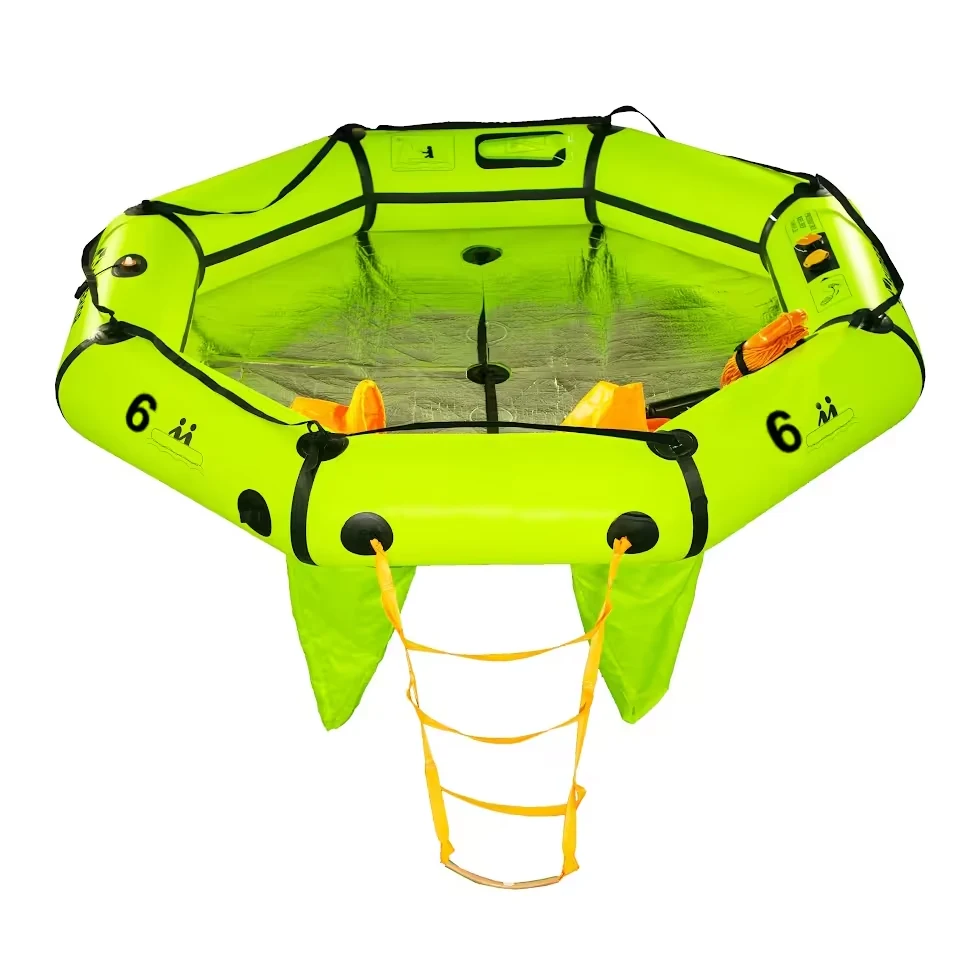
A boat safety equipment checklist should do two jobs: confirm legally required gear for the waters you enter and prepare the crew for emergencies that may happen beyond minimum compliance. Rules vary by country, state, vessel length, voyage and operating area, so this guide is a planning framework rather than a substitute for local regulations.
Boat safety equipment checklist
| Area | Core check | Questions before departure |
|---|---|---|
| Flotation | Correct size, condition and accessibility for every person | Are special users and children properly covered? |
| Distress | In-date visual and audible signals required for the voyage | Can the crew locate and use them? |
| Fire | Correct type, quantity, charge and access | Are machinery and cooking risks covered? |
| Communication | VHF/DSC, charged backup and registered identifiers | Will the system work outside mobile coverage? |
| Navigation | Current chart information, compass, position and depth | Is there a backup if the main display fails? |
| Survival | Exposure protection, water, first aid and recovery equipment | How long could rescue take? |
Required equipment comes first
USCG guidance for U.S. recreational boats includes engine cut-off devices, personal flotation devices, visual distress signals, fire extinguishers, ventilation, navigation lights and sound-producing devices among its equipment topics. Other countries use different categories and thresholds. Check the authority responsible for every planned operating area.
Communication and position
A fixed VHF radio with DSC, internal or connected GPS and a correctly registered MMSI can transmit formatted distress information. Carry a waterproof handheld backup where appropriate. Offshore crews may also evaluate a registered EPIRB or PLB, satellite communications and AIS based on voyage risk and local rules.
Navigation redundancy
Use current chart data and check notices, weather, tides and local hazards before leaving. NOAA provides electronic charts and encourages recreational boaters to create paper or digital backup charts for U.S. waters. A magnetic compass and independent position source remain valuable when the main display or electrical system fails.
Mechanical and electrical departure checks
- Fuel level and realistic reserve for weather, diversion and delay.
- Battery state, charging output and secure terminals.
- Cooling-water flow, engine fluids, belts, hoses and visible leaks.
- Bilge pumps, alarms, seacocks and drain plugs.
- Steering movement and emergency steering arrangement where applicable.
- Anchor, correctly sized rode and a safe method to deploy and recover it.
- Navigation lights, horn, radios and emergency electronics tested.
Crew briefing
Show everyone where flotation, extinguishers, radios and first-aid equipment are stored. Explain engine shutdown, man-overboard response and how to transmit a distress call. Share the float plan and expected return time with a responsible person ashore.
Adjust the checklist to the voyage
A short daytime lake trip, a coastal crossing and an offshore passage do not have the same consequences. Consider distance from shelter, water temperature, nighttime operation, weather-change speed and the least-experienced person aboard. Add warm clothing, exposure protection, additional drinking water, seasickness supplies and redundant communications when conditions justify them.
International voyages require another layer: passports and clearance documents, radio licensing, local chart coverage, customs requirements and equipment standards may change across borders. Complete the legal check using the destination authority, not a generic online list.
Monthly and seasonal drills
Test alarms, navigation lights, bilge pumps and radios. Inspect life-jacket webbing and inflation indicators, and confirm distress-device and extinguisher dates. Practice man-overboard recovery at safe speed with a floating marker. A checklist is only effective when equipment works and the crew knows how to use it.
Choose equipment for the vessel, voyage, crew and applicable regulations.
Frequently asked questions
Is the minimum legal equipment enough offshore?
Not always. Distance from shelter, water temperature, weather, crew ability and rescue time can justify equipment beyond minimum carriage rules.
How often should emergency gear be inspected?
Check it before trips and follow each item’s service, battery and expiration schedule. Record professional inspections where required.
Can a mobile phone replace marine VHF?
No. Coverage and battery limitations differ, and a phone does not provide the same broadcast distress and working-channel functions.
Related: see the marine VHF radio guide and marine radar vs AIS.
Sources: U.S. Coast Guard federal boating guide; NOAA resources for recreational boaters. Confirm current local law before departure.