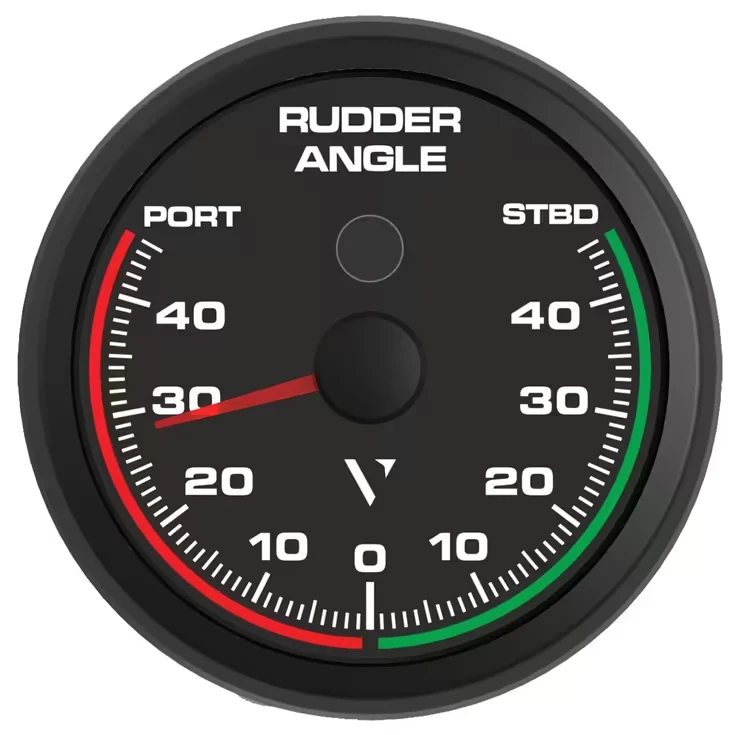
Most boaters glance at their gauges without really reading them — until one of those needles is trying to tell them something expensive is about to happen. Here’s what each one actually means and which ones you genuinely can’t afford to ignore.
The five you check every single trip
- Fuel level — obvious, but gauges drift out of calibration over years; know your boat’s real range, don’t trust the needle blindly on long trips
- Tachometer (RPM) — tells you engine load and helps you spot a prop problem: unusually high RPM for your normal cruising speed often means a damaged or fouled propeller, not just “the engine feels off”
- Oil pressure — a sudden drop means stop the engine, not “keep an eye on it.” Oil pressure loss at cruising RPM can cause serious engine damage within seconds, not minutes
- Water temperature — climbing steadily during normal operation is your earliest warning of a cooling problem, well before an overheat alarm triggers
- Voltmeter — the most ignored gauge on most boats, and the one that predicts a dead battery before it happens. A voltage that reads low at idle and doesn’t recover under charging is an alternator or charging system problem forming right now
Analog vs digital — the real tradeoff
Analog gauges are simple, need no software, and you can read a trend at a glance from across the helm — no boot-up, no glitches. Digital multi-function displays pack far more data into less panel space, often showing six or more readings on one screen, plus trend history and integration with GPS and autopilot systems. Digital isn’t strictly better, it’s more capable with an added point of electronic failure — many experienced owners run digital as primary with one analog backup gauge, usually voltmeter or fuel.
The gauges people forget and regret skipping
- Trim gauge — shows engine/outdrive position; without it you’re trimming by feel alone, which gets harder to judge accurately as conditions change
- Hour meter — the single easiest way to actually stick to a maintenance schedule instead of guessing “it’s probably due”
- Depth — if it’s not already integrated into your chartplotter, a standalone gauge in your direct sightline is worth adding for shallow-water running
Reading a gauge that’s “acting weird”
A gauge that suddenly pegs to max or drops to zero is far more likely to be a wiring or sender fault than an actual instant mechanical failure — real engine problems (oil pressure, temperature) tend to move gradually before anything critical happens, not snap instantly. That said, never assume it’s “just the gauge” without confirming — shut down and check if a critical reading (oil pressure, temperature) looks abnormal, gauge fault or not.
Panel layout tip
Put fuel and RPM directly in your line of sight while driving — these are the ones you check constantly. Trim, hour meter, and voltmeter can sit lower on the panel since you’ll check them periodically rather than continuously.
Upgrading or replacing an aging or unreliable panel? Compare options in our marine gauges category.