An outboard motor maintenance checklist is easiest to follow when divided by interval. Some checks happen after every saltwater run; others follow engine hours or calendar time. The exact model’s owner manual always overrides a general schedule.
Outboard motor maintenance checklist by interval
| Interval | Typical checks | Why it matters |
|---|---|---|
| Before each trip | Fuel, oil, leaks, propeller, steering, controls, telltale and mounting | Find obvious faults before leaving the dock |
| After salt or dirty water | Fresh-water flush and exterior rinse under the manual | Reduce salt, sediment and corrosion |
| Periodic | Fuel filters, lubrication, battery, anodes, spark plugs and water pump | Maintain reliability and cooling |
| Annual / specified hours | Engine oil where applicable, filter, lower-unit oil and full inspection | Catch wear and contaminated lubricants |
| Storage | Fuel treatment, lubrication, battery and freeze/corrosion protection | Prevent damage during inactivity |
Before starting
- Look for fuel, oil or cooling-water leaks.
- Check the propeller for line, impact damage and excessive movement.
- Confirm the engine is securely mounted and steering moves freely.
- Inspect fuel lines, primer bulb and electrical connections.
- Verify engine-oil level on four-stroke models using the manual’s procedure.
After use in salt, brackish or dirty water
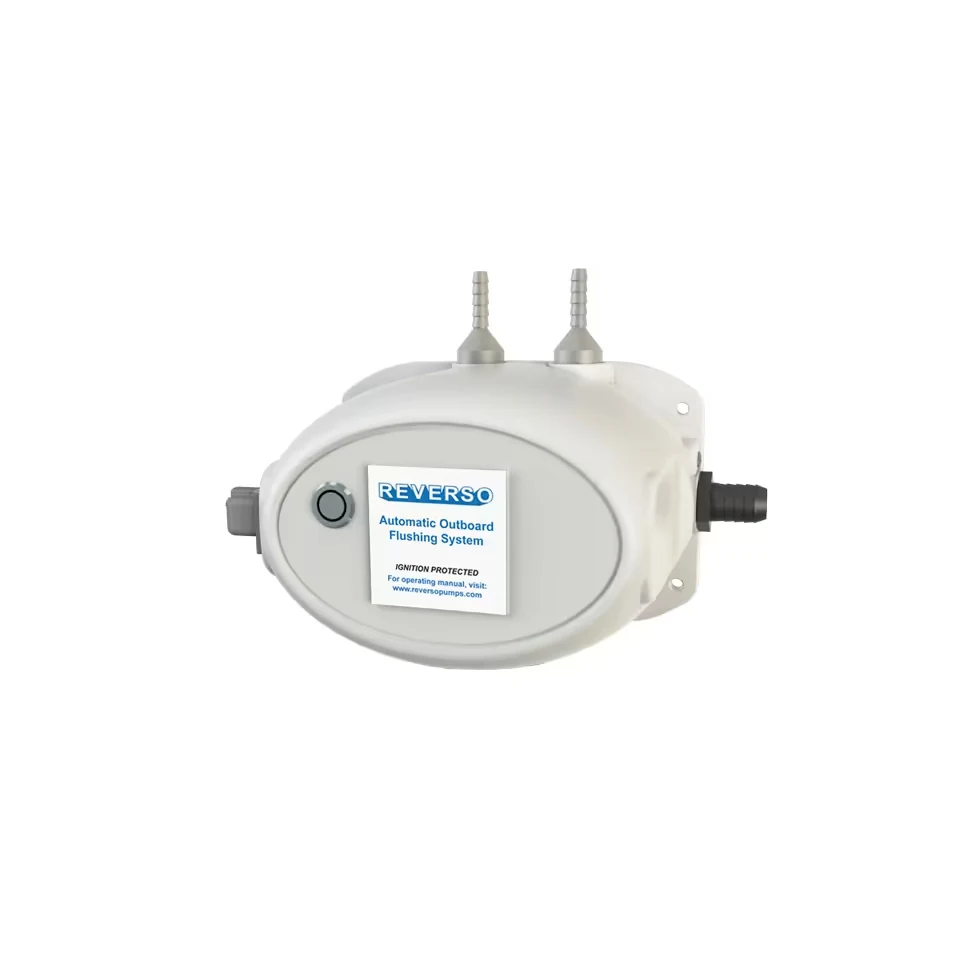
Honda advises cleaning and flushing with fresh water after operation in dirty or salt water. Use only the flushing method specified for the model. Never run an engine without the correct cooling-water supply. Rinse exterior salt, inspect damaged paint and apply suitable corrosion protection where the manual permits.
Annual or 100-hour service
Yamaha identifies engine and lower-unit oil changes, flushing, fuel-filter replacement, corrosion prevention and fuel care as maintenance fundamentals, with many tasks organized around annual or 100-hour intervals. The schedule varies by model and duty. Commercial, dusty, silty or high-hour use may need shorter intervals.
When draining gearcase oil, milky lubricant or metal debris warrants investigation. A weak cooling telltale may indicate a blockage, but it can also signal a water-pump or cooling problem. Stop and diagnose overheating rather than continuing to run.
Fuel and storage
Use fuel that meets the engine manufacturer’s requirements and keep water out of the system. Before extended storage, follow the exact stabilization, draining or fogging procedure specified for that model and fuel system. “Run it dry” is not a universal instruction for modern engines.
Jobs best left to a technician
Complex fuel injection, internal corrosion, timing, overheating, persistent alarms, compression problems and steering faults need qualified diagnosis. Warranty conditions may also require documented service or approved parts and fluids.
Propeller, anodes and corrosion inspection
Remove fishing line from behind the propeller and inspect blades for bends, cracks and impact. If the propeller is removed, use the specified hardware, lubrication and torque procedure. Sacrificial anodes should be checked for consumption and electrical contact; never paint their active surfaces. Replace them with the material and interval specified for the operating water.
Keep a service record
Log hours, date, fuel treatment, fluids, filters, water-pump work, alarms and technician findings. Keep part numbers and receipts with the engine serial number. A consistent record reduces missed intervals, helps diagnose repeating faults and gives a future owner evidence of care.
Harsh-use adjustments
Long idle periods, high-load commercial work, silty water, extended trolling, frequent trailering and tropical saltwater can justify inspections sooner than a standard recreational schedule. Use the “severe service” or operating-condition notes in the manual rather than assuming the longest interval applies.
Match maintenance parts and fluids to the exact model and serial number.
Frequently asked questions
How often should an outboard be serviced?
Follow the engine’s owner manual. Annual or 100-hour intervals are common reference points, but initial service and severe-use intervals can differ.
Should I flush after every saltwater trip?
Manufacturer guidance commonly recommends regular fresh-water flushing after salt or contaminated water. Use the exact approved procedure.
Can automotive oil be used in a four-stroke outboard?
Use the viscosity and marine specification required by the manufacturer. Do not substitute based only on viscosity.
Related: review our outboard motor selection guide.
Sources: Yamaha Maintenance Matters; Honda Marine Maintenance & Operation.