Cell signal drops off faster than most people expect once you leave the marina. Staying connected offshore now has real options — here’s how the main ones actually compare, not just on paper.
Cellular marine routers and boosters
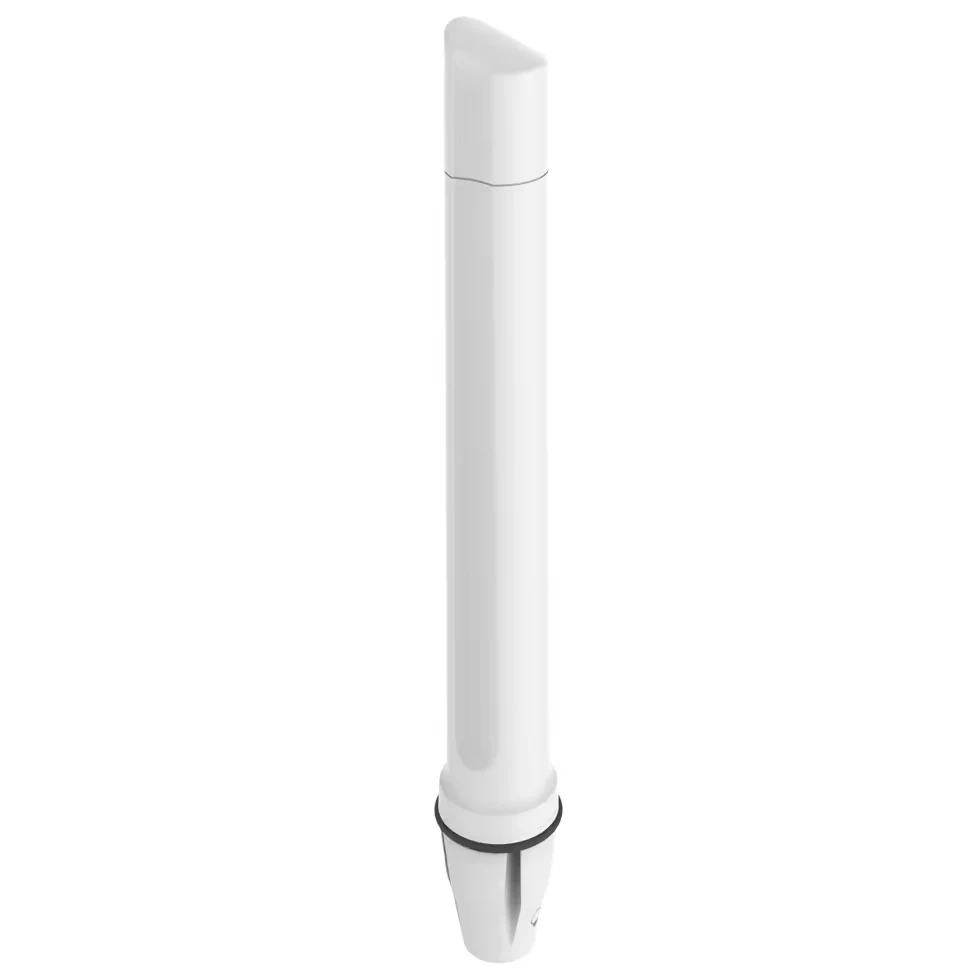
A marine-grade cellular router with an external antenna pulls in a usable signal well past the point your phone alone gives up — but it’s still riding the same cell towers everyone else uses. Expect reliable coverage close to shore, typically dropping off somewhere in the 10–20 mile range depending on your local tower density. Cheapest option by far, and genuinely enough for coastal cruising, marina hopping, and day trips.
Starlink Maritime
This is the real shift for boaters going beyond coastal range. Starlink’s satellite network works far past where cell towers reach, with bandwidth high enough for video calls and streaming, not just checking email and weather. The tradeoffs: meaningfully higher upfront hardware cost and a higher monthly subscription than cellular, plus a genuine installation requirement — the dish needs a stable, largely unobstructed view of the sky, which matters more than people expect once the boat is rolling in a seaway.
Satellite phones — the low-bandwidth backup
Systems like Iridium offer reliable worldwide coverage, including polar and deep-ocean routes no other option reaches. Bandwidth is very limited — texts and voice calls, not general browsing or weather downloads beyond basic text. Best kept as a safety backup rather than a daily connectivity solution, specifically because it has no moving parts and works without a clear sky view even in genuinely bad weather.
Matching the option to how you actually boat
- Weekend coastal boating — a cellular booster is enough, lowest cost, simplest setup
- Regular offshore passages or live-aboard — Starlink Maritime, for the bandwidth and range beyond cell coverage
- Long ocean crossings or remote cruising grounds — keep a satellite phone as backup even if running Starlink, since it has no dependency on a clear sky angle
The mounting mistake that causes most “bad signal” complaints
Most connectivity problems on boats are mounting problems, not equipment problems. A hardtop, mast, or radar arch blocking part of the sky will cause more dropouts with Starlink than any hardware limitation — and a cellular antenna mounted low or shielded by the cabin loses far more range than the same unit mounted higher and clear. Before troubleshooting the equipment, check what’s actually in the way.
Power draw is worth checking before you commit
Starlink Maritime terminals draw meaningfully more power than a cellular router — factor this into your battery and charging setup if you’re already running tight on house bank capacity, especially on smaller boats without a generator.
If your existing charging setup is already stretched thin before adding new electronics, it’s worth reviewing your marine battery chargers and house bank capacity first.