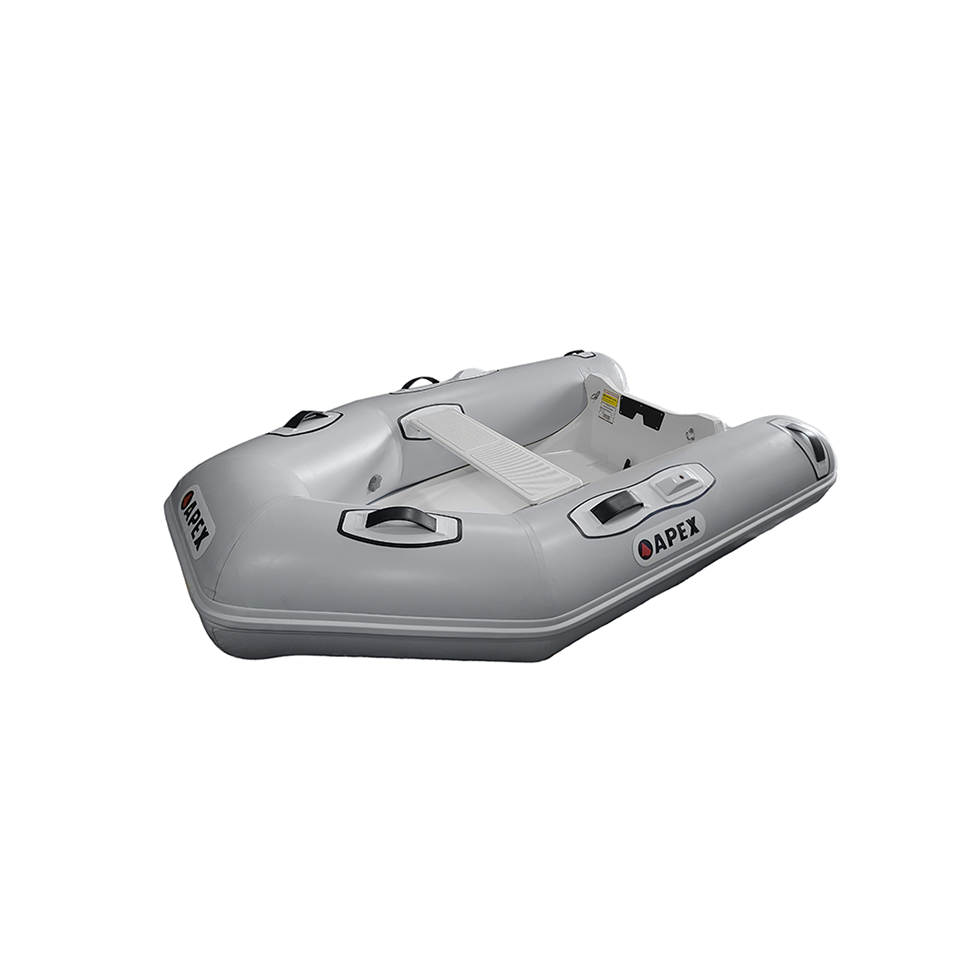
A slow leak in an inflatable dinghy usually isn’t a reason to replace it — it’s a 30-minute repair most owners assume is harder than it actually is. Here’s how to actually find the leak and fix it so it stays fixed.
Finding the leak — don’t guess
Mix dish soap with water in a spray bottle and coat the fully inflated tubes, seams, and valve bases. Bubbles forming anywhere mark the leak — this finds pinholes that are completely invisible to the eye and too small to hear hissing from. Check valve bases specifically; a surprising number of “mystery leaks” turn out to be a loose or degraded valve seal, not a puncture in the fabric at all.
Know your material before you buy a patch kit
PVC and Hypalon (CSM) need different adhesives — using a PVC patch kit on a Hypalon boat, or vice versa, results in a patch that looks fine for a few weeks and then fails. Check your boat’s specs or the original manufacturer documentation before buying repair materials; this single mismatch is the most common reason a “repaired” patch fails again within a season.
Surface prep matters more than the patch itself
- Clean the area thoroughly with rubbing alcohol or the cleaner specified in your kit — any residual dirt, salt, or sunscreen oil prevents proper adhesion
- Lightly rough the surface with fine sandpaper to help the adhesive bond, then wipe away the dust
- Cut the patch with rounded corners, not square — square corners peel up first and are where most patch failures start
Applying the patch
Apply adhesive to both the patch and the boat surface, let it become tacky per your kit’s instructions (this timing matters — bonding too wet or too dry both weaken the seal), then press firmly from the center outward to push out any trapped air bubbles. Weight it down or roll it firmly and leave it fully undisturbed for the cure time specified — usually 12-24 hours minimum before inflating.
Small leak now vs bigger repair later
A pinhole leak that takes a day to lose noticeable pressure is a simple patch. A seam that’s visibly separating, or a tube losing significant pressure within an hour, is a bigger repair — often requiring a professional for structural seam work rather than a surface patch. Don’t try to patch over a failing seam with a standard patch kit; it won’t hold under the tube’s constant pressure and flex.
Preventing the next leak
- Rinse off salt, sand, and sunscreen after every use — all three accelerate material breakdown over time
- Store partially deflated and out of direct sun when not in regular use — full UV exposure for months at a time is one of the biggest predictors of material fatigue and eventual seam failure
- Avoid dragging the hull over rocks or barnacle-covered surfaces, the single most common cause of punctures in the first place
If your dinghy’s leaks have gone from occasional to constant, it may genuinely be time to replace rather than keep patching — compare options in our inflatable dinghies category.