
Every spring, the same story plays out at boat ramps everywhere: an owner pulls the cover off, turns the key, and gets nothing but a slow click — or worse, a cracked engine block from water that froze where it shouldn’t have. Winterizing isn’t optional busywork. Skip it and you’re gambling with a repair bill that costs more than the maintenance would have.
Here’s the checklist that actually matters, in the order to do it.
1. Fuel system first
Fill the tank close to full (less air space means less condensation) and add fuel stabilizer. Run the engine for 10 minutes afterward so the stabilized fuel actually reaches the carburetor or injectors — pouring stabilizer in and walking away doesn’t protect the parts that matter.
2. Change the oil and filter
Used oil holds acidic combustion byproducts that sit and corrode internal engine parts all winter if you leave it in. Change it before storage, not after — old oil sitting in the engine for five months does real damage.
3. Fog the engine (for carbureted outboards)
Spray fogging oil into the air intake while the engine runs, then again just as it dies. This coats internal components with a protective layer that prevents corrosion during storage.
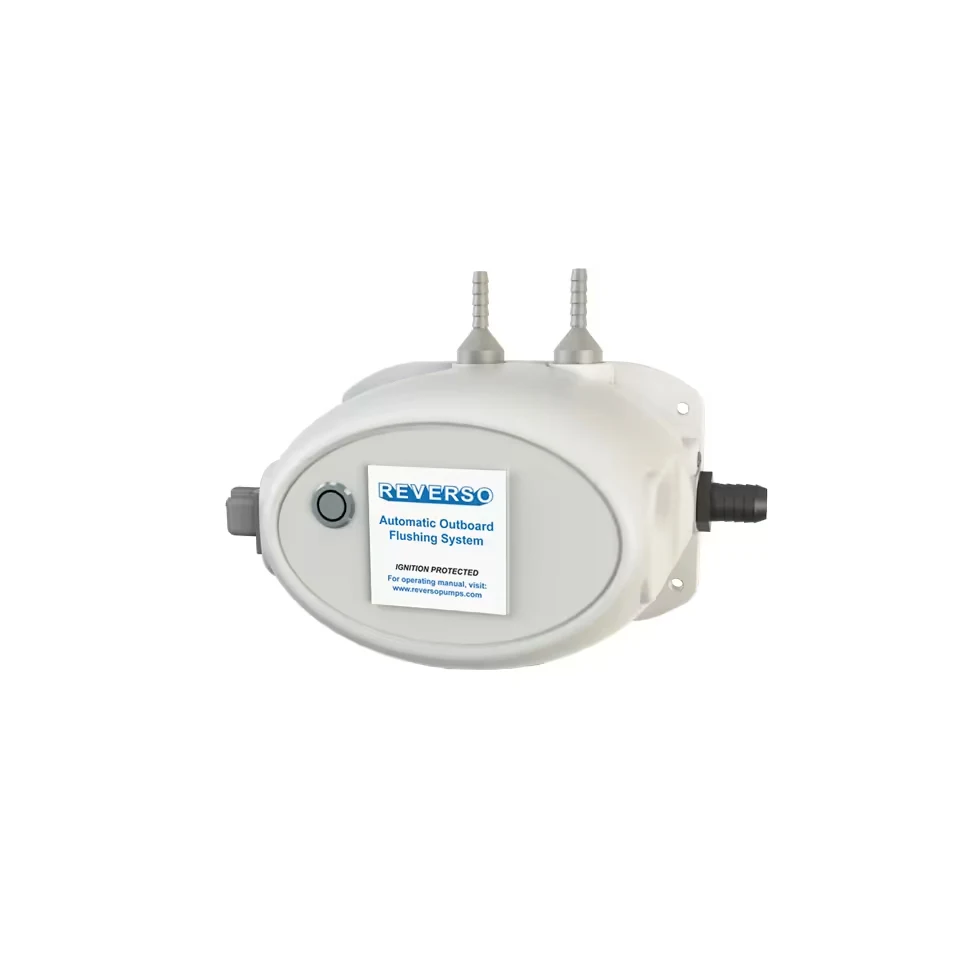
4. Drain or bypass raw water — the step that prevents cracked blocks
This is the one that causes catastrophic damage if skipped. Any water left in the engine block, exhaust manifold, or cooling lines can freeze and crack the housing — a repair that often costs more than the boat’s winter storage fee for several years combined. Run non-toxic marine antifreeze through the system until it flows out the exhaust, or fully drain per your engine’s manual.
5. Battery: remove it, don’t just disconnect it
A battery left connected slowly self-discharges over winter, and a fully discharged battery can freeze and crack the case in cold climates. Remove it, store it somewhere above freezing, and put it on a maintenance charger periodically through the off-season — this alone prevents most “dead battery in spring” situations.
6. Grease every fitting
Steering systems, trim tabs, prop shaft — anywhere metal meets metal needs fresh grease before storage to push out moisture that would otherwise sit and corrode over winter.
7. Clean, cover, and check for pests
Clean the hull before storage — algae and debris left to sit can stain or damage gelcoat over months. Use a breathable cover, not solid plastic, which traps condensation underneath. Mice and other pests love a warm, dry boat interior over winter; steel wool in openings and traps inside go a long way.
The real cost of skipping this
A cracked engine block from frozen water isn’t a repair — it’s often a replacement. A battery ruined by winter neglect is a fraction of that cost. Winterizing takes an afternoon. Skipping it can take your whole season the following year.
If your battery is due for replacement or your current charger can’t handle proper maintenance charging through storage, now — before the boat goes into storage — is the right time to sort it out. See our marine battery chargers built for exactly this kind of off-season maintenance.