You don’t need to know fifty knots. You need to know five, tied correctly, without thinking about it — because the moment you actually need one is rarely the moment you have time to look up a diagram. These five cover almost everything.
1. Cleat hitch — the one you’ll tie the most
Used to secure a line to a dock cleat. Wrap the line fully around the base of the cleat once, then make a figure-eight pattern over the horns, finishing with a locking hitch (a half-twist loop) on the last pass. The locking hitch matters — without it, a cleat hitch can work itself loose under repeated tugging from wake or current.
2. Bowline — the “rescue” knot
Creates a fixed loop that won’t slip or tighten under load, but unties easily even after being under heavy strain. Used for securing a line to a piling, attaching a towline, or anywhere you need a loop that won’t cinch down on itself. The classic memory trick: “the rabbit comes out of the hole, around the tree, and back down the hole.”
3. Clove hitch — fast, but not for anything critical
Two simple loops around a post or rail, quick to tie and quick to untie. Good for temporary fendering or securing something non-critical. The catch: a clove hitch can slip under a load that shifts direction, so it’s not the knot for anything where failure has real consequences — pair it with a half hitch for extra security if it’s holding anything important.
4. Figure eight — the stopper knot
Tied at the end of a line to prevent it from slipping through a block, cleat, or your hands entirely. Simple, quick, and it doesn’t jam or weaken the rope the way an overhand knot can over repeated use.
5. Half hitch (and the double half hitch) — the backup knot
Rarely used alone, but essential paired with other knots (like the clove hitch above) to lock them in place. When in doubt about whether a knot will hold, a couple of half hitches added on top is the fastest way to add security without retying everything.
Practice these on dry land first
Tying a bowline for the first time while a boat is drifting toward a dock in a crosswind is not when you want to be learning the steps. Ten minutes with a piece of rope on your kitchen table, repeated until your hands know it without looking, is worth more than reading the instructions twice.
The mistake that causes the most dock damage
Tying off too short, with no slack for tide changes or wake surge. A line tied bar-tight at low tide can snap or rip a cleat out of the deck as the tide rises and the boat lifts against it. Leave enough slack for the water level to change, especially on overnight stays.
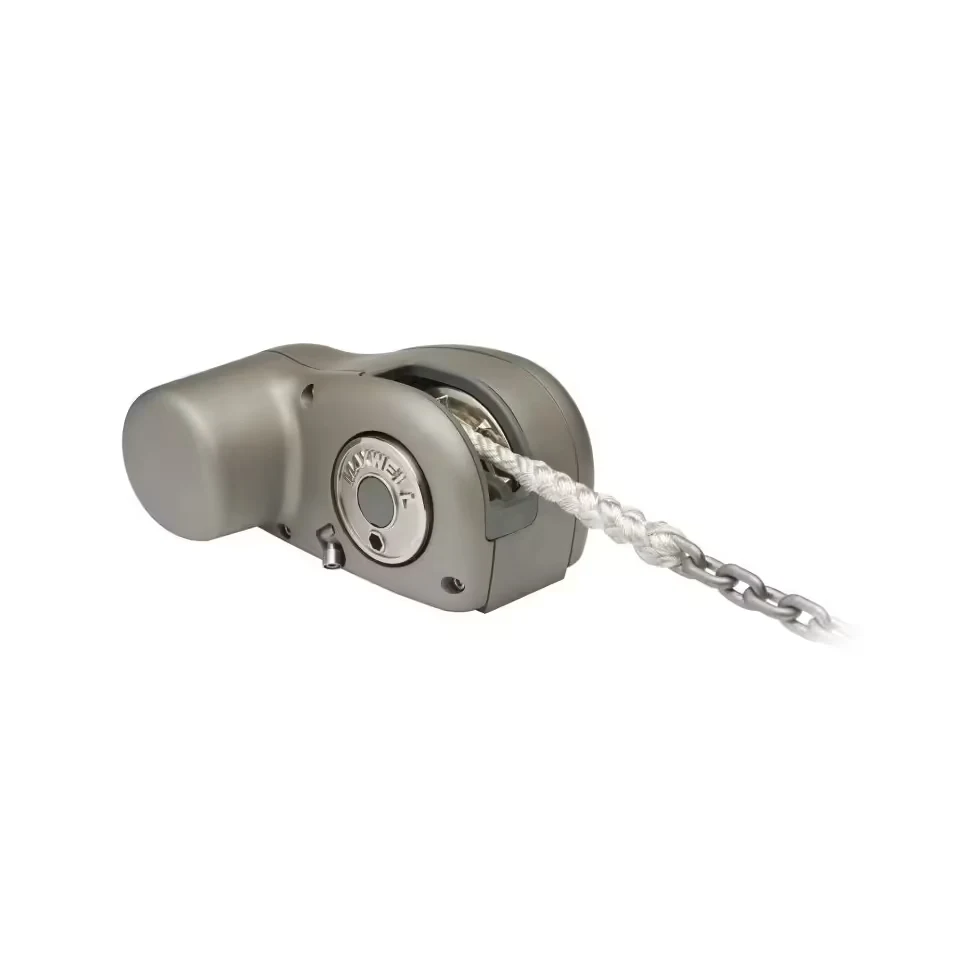
Good line and a properly sized anchor rode make these knots actually hold when it counts — see our anchor windlasses and rode options if yours are due for replacement.