You drop anchor, everyone relaxes, and twenty minutes later you look up and you’re 200 feet from where you started — or worse, drifting toward rocks. Dragging anchor is almost never bad luck. It’s almost always one of three mistakes: not enough scope, the wrong anchor for the bottom, or not actually setting it before walking away.
Scope: the number one reason anchors drag
Scope is the ratio of anchor line length to water depth. Too many boaters drop a length of rode barely longer than the water is deep and wonder why the anchor won’t hold — at that angle, you’re pulling the anchor up and out instead of along the bottom.
- Calm conditions: minimum 5:1 scope (25 feet of rode for 5 feet of water, plus freeboard)
- Normal conditions: 7:1 scope
- Rough weather or overnight: 10:1 scope if you have room to swing
Always measure from the bow roller to the bottom, and don’t forget to add tide rise if you’re anchoring for a while — what’s 6 feet at low tide might be 9 feet at high tide, and your scope ratio needs to account for the deeper water.
Match your anchor to the bottom
There’s no single best anchor type — it depends entirely on what’s under you:
- Sand or mud: fluke-style (Danforth) anchors dig in and hold extremely well
- Rock or heavy weed: plow-style anchors handle mixed and difficult bottoms better
- Grass: anchors need enough weight and a sharp enough point to punch through vegetation to the bottom underneath — light fluke anchors often just skate across the top of grass beds
The setting process — don’t skip this step
- Lower the anchor slowly to the bottom — don’t just drop it in a pile, which tangles the rode
- Let out rode as you slowly reverse away, to your target scope ratio
- Once at full scope, cleat off the line and give a firm, sustained reverse throttle
- Watch a fixed point on shore — if you’re not moving relative to it, you’re set. If you keep drifting, you’re dragging
That deliberate reverse-and-check step is the one most people skip — and it’s the difference between finding out you’re dragging now, at low speed with time to fix it, versus finding out later when you’re already off course.
Recognizing you’re dragging after the fact
Check your position against a landmark or your GPS periodically. A slow, steady drift in the same direction as wind or current — even a small one — usually means the anchor reset itself in a weaker spot rather than truly holding. Re-anchor rather than assume it’ll catch better on its own.
Retrieving without the fight
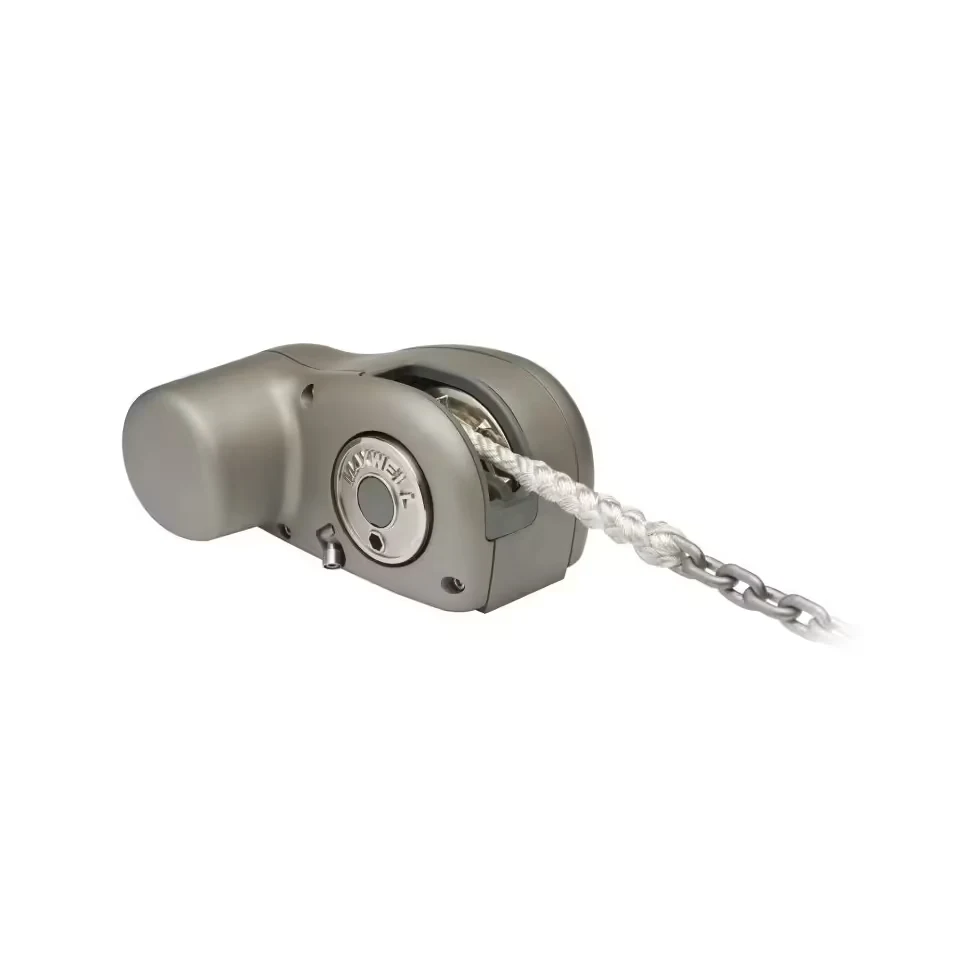
Motor slowly toward the anchor as you retrieve rode, keeping the line slack rather than trying to horse it up at an angle — pulling straight up breaks most anchor types free far easier than dragging them out sideways. If you’re regularly anchoring a boat too large to comfortably retrieve by hand, an anchor windlass turns a two-person struggle into a button press. See our anchor windlasses to compare options sized to your boat.