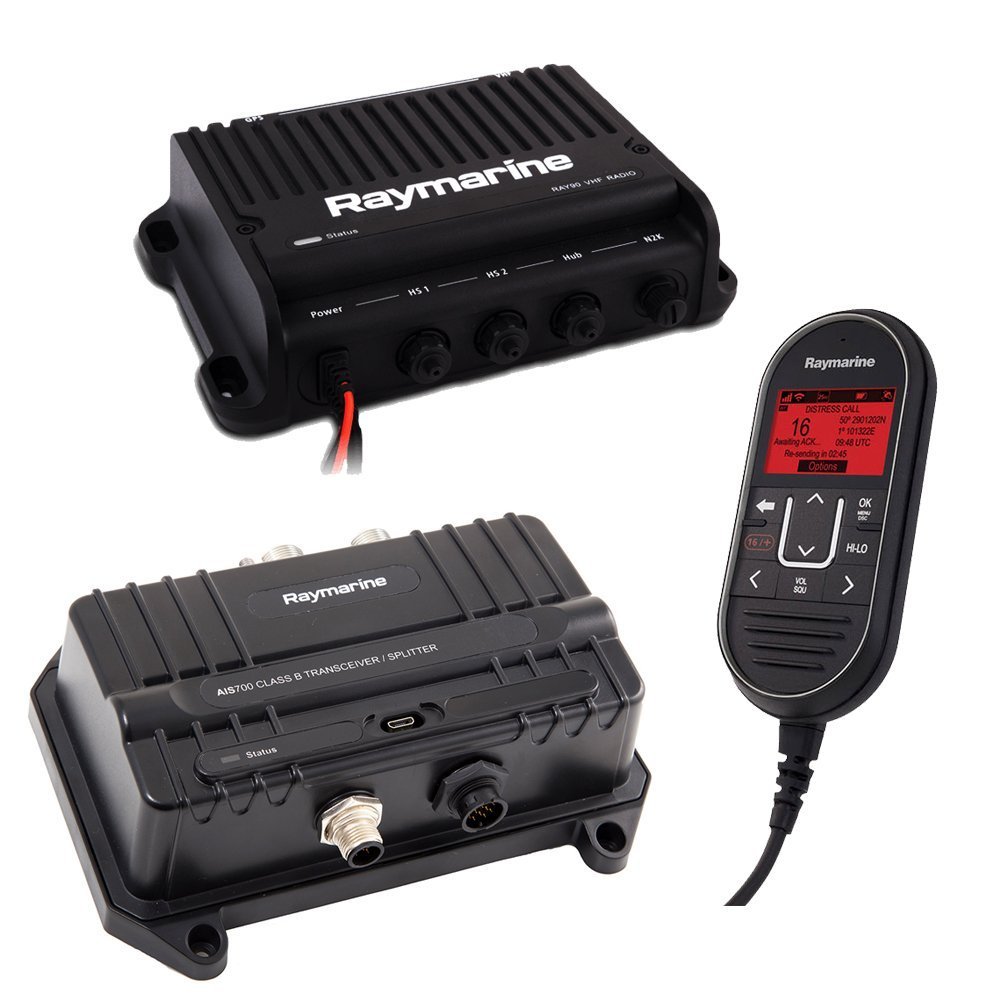
If your boat is sinking, on fire, or someone aboard is in a life-threatening emergency, the next 30 seconds matter more than anything else you’ll do that day. Here’s exactly how to make a Mayday call — memorize this, don’t wait until you need it to learn it.
Step 1: Switch to Channel 16, high power
Channel 16 is the international distress and hailing frequency, monitored by the Coast Guard and nearby vessels. Set your radio to high power output (usually 25 watts, not the 1-watt low-power setting) — this is the single most common mistake people make under pressure, and it can cut your transmission range by 90%.
Step 2: Key the mic and say this, exactly
Press and hold the transmit button, then speak slowly and clearly:
“Mayday, Mayday, Mayday. This is [boat name], [boat name], [boat name].”
Repeating three times isn’t ritual — it helps other stations lock onto a weak or broken signal.
Step 3: Give your position first, not last
The single biggest reason rescuers lose time is not knowing where to go. Give:
- GPS coordinates (latitude/longitude) if you have them
- If not, a bearing and distance from a known landmark — “3 miles east of Sandy Point Light”
Say this before describing the emergency. Position first, always.
Step 4: State the emergency and what you need
Nature of distress (sinking, fire, medical emergency, taking on water), number of people on board, and the kind of assistance you need. Keep it short and factual.
Step 5: Release the mic and listen
After transmitting, let go of the button and wait 10 seconds for a response before repeating. Holding the button down blocks you from hearing anyone trying to answer.
If your radio has a DSC distress button — use it first
Modern VHF radios with Digital Selective Calling have a dedicated red distress button (usually under a cover, held for 3-5 seconds). This automatically transmits your vessel ID and GPS position to the Coast Guard and nearby DSC-equipped vessels instantly, before you even start talking. Follow it immediately with a voice Mayday on Channel 16 for redundancy — the button alone isn’t a substitute for the verbal call.
The difference between Mayday and Pan-Pan
Mayday means imminent danger to life or vessel — sinking, fire, someone overboard, serious injury. For a serious but non-life-threatening situation (engine failure with no immediate danger, running out of fuel with the boat adrift safely), use “Pan-Pan, Pan-Pan, Pan-Pan” instead. Using Mayday for a non-emergency situation is a real problem — it diverts emergency resources and carries legal consequences.
Do this before you ever need it
Write your position-reporting habit into muscle memory: glance at your GPS position every so often on longer trips, and keep a paper backup of your VHF’s call sign and boat details taped near the radio. In a real emergency, adrenaline makes people forget details they know perfectly well on a calm day.
A reliable, correctly mounted VHF is the one piece of safety gear this entire process depends on. Compare options built for real distress-call range in our marine VHF radios category.