
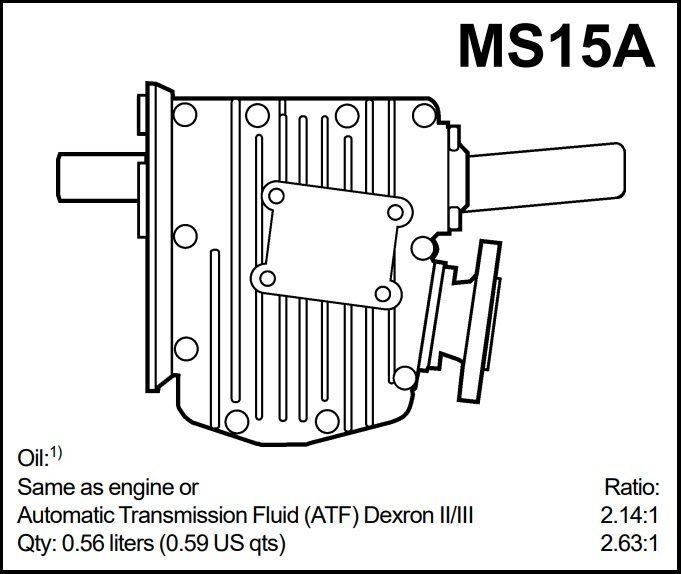
A marine gearbox looks simple from the helm — forward, neutral, reverse — but shifting it wrong is one of the fastest ways to turn a routine docking maneuver into an expensive repair bill. Here’s how to actually shift it the way it’s built to be shifted.
The rule that protects every gearbox: throttle down before you shift
Always return the engine to idle before moving between forward, neutral, and reverse. Shifting at higher RPM slams the gearbox’s clutch plates together under far more load than they’re designed to absorb, accelerating wear every single time it happens — even if nothing sounds or feels wrong in the moment. This one habit, more than any other, determines how long a gearbox actually lasts.
Pause in neutral — don’t rush the shift
Slamming directly from forward to reverse without a brief pause in neutral doesn’t give the clutch plates time to fully disengage before the opposing gear engages. A one-to-two second pause in neutral, especially at low RPM, lets everything disengage cleanly before the next gear takes load — skipping this is a common cause of premature clutch wear that owners often blame on “an old gearbox” when it’s actually a shifting habit.
What grinding or clunking on shift is actually telling you
A clean gearbox shifts with a light, solid engagement — no grinding, no hard clunk. Grinding usually means the shift linkage is out of adjustment and the gears aren’t lining up cleanly before engaging. A loud clunk under normal shifting can mean excess play in worn clutch plates or a linkage that’s shifting too abruptly. Neither is something to keep ignoring — both are cheaper to fix early than after they cause secondary damage.
Check gearbox oil like you check engine oil — most owners don’t
Gearbox oil breaks down and picks up metal particles from normal wear over time, the same way engine oil does. Skipping gearbox oil changes on the manufacturer’s schedule is one of the most common reasons for premature gearbox failure — it’s an easy maintenance item to forget specifically because gearboxes run reliably for a long time even when neglected, right up until they don’t.
Cable vs hydraulic shift linkage — different failure signs
- Cable-actuated — over time, cables stretch and develop play, causing sloppy or imprecise shifts; adjustable at the shift lever end, and this adjustment is worth checking annually
- Hydraulic shift — smoother engagement generally, but a failure tends to be more sudden — low or contaminated hydraulic fluid causing a shift to simply not engage rather than gradually feeling worse
Docking is where bad shifting habits do the most damage
Repeated quick forward-reverse-forward corrections while docking, without returning to idle and pausing in neutral each time, concentrates a disproportionate amount of gearbox wear into exactly the maneuvers boaters do most often. Slow, deliberate shifts during docking protect the gearbox more than almost any other single habit change.
If shifting has started feeling rough or inconsistent despite good habits, it may be time for a closer look — compare replacement options in our marine gearbox category.