
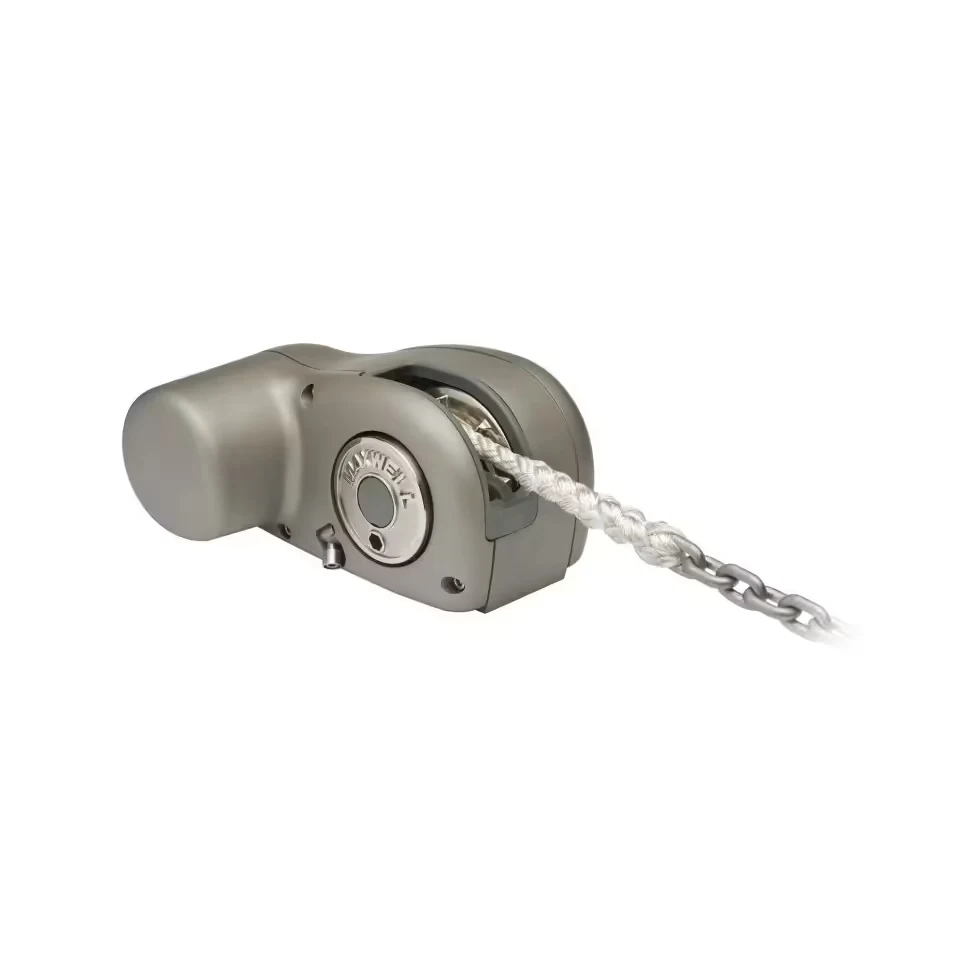
An anchor windlass sizing guide should begin with the maximum working load and the entire anchoring system, not boat length alone. The windlass must match the anchor, chain, rope, gypsy, locker geometry, electrical supply and intended operating conditions.
Anchor windlass sizing guide: required inputs
| Input | Measure or confirm | Common mistake |
|---|---|---|
| Ground tackle | Anchor, chain and rope weight | Counting only the anchor |
| Working load | Manufacturer formula and safety factor | Choosing by motor watts alone |
| Rode compatibility | Chain standard, link size and rope diameter/construction | Assuming all chain of one diameter fits |
| Locker | Depth, drainage and vertical fall below gypsy | Ignoring rode pile-up |
| Electrical | Voltage, maximum current and round-trip cable length | Undersized cable causing voltage drop |
Working load and pulling capacity
The windlass raises ground tackle; it should not be used to pull the boat toward a deeply set anchor against engine, wind and waves. Motor the vessel forward to unload the rode, secure the rode to a cleat or chain stopper, and use a snubber when anchored. Follow the manufacturer’s working-load factor rather than treating maximum pull as a routine rating.
A sample sizing method
Weigh or document the anchor, the maximum chain expected to hang vertically and the rope section that the windlass may lift. Add them to establish the retrieval load. Apply the selected manufacturer’s required safety factor to determine minimum working-load rating. Because manufacturers may define “working load,” “maximum pull” and “stall load” differently, never transfer a factor from one brand’s guide to another product.
Boat length is then used as a cross-check. If the load calculation and the length table point to different sizes, investigate why instead of automatically choosing the smaller unit.
Gypsy and rode compatibility
Chain diameter alone is not enough. Link pitch and chain standard must match the gypsy. Rope diameter, construction and splice shape also affect self-tailing. Confirm the exact gypsy code against the exact rode before purchase.
Vertical vs horizontal windlass
- Vertical: more of the mechanism sits below deck and the rode can wrap around a larger portion of the gypsy; sufficient locker depth is essential.
- Horizontal: more components sit above deck and it may suit a shallower locker, subject to the model’s required fall and lead.
Electrical design
Windlass motors draw high current. Size conductors using the maximum current and the complete positive-and-negative cable distance. Install the specified breaker or fuse, isolator, contactor and controls. Low voltage at the motor reduces pulling performance and creates heat.
Rode handling and locker fall
Self-tailing depends on gravity pulling rode away from the gypsy. A shallow locker or a tall pile of chain can cause the rode to back up, slip or jam. Measure fall with the normal amount of rode aboard. Plan safe access to spread the pile only when the windlass is isolated and the rode cannot move.
The bow roller must lead the rode fairly into the gypsy without rubbing the deck or loading the windlass sideways. Test alignment with the anchor fully housed and during recovery.
Installation checklist
- Use the manufacturer’s boat-length table only as an initial shortlist.
- Calculate anchor and rode working load using the required safety margin.
- Confirm chain standard, rope size and gypsy part number.
- Measure clear fall below the gypsy and check locker drainage.
- Reinforce the deck as required and seal all penetrations.
- Provide a chain stopper, cleat or other load-taking point.
- Plan safe foot-switch or remote locations where the operator can see the rode.
Have boat length, anchor, rode, locker and electrical measurements ready.
Frequently asked questions
Can I size a windlass only by boat length?
No. Boat length helps shortlist models, but ground-tackle load, rode, locker and electrical installation determine the correct system.
Can a windlass hold the boat at anchor?
The rode should be transferred to a structural cleat, chain stopper or approved load point rather than leaving anchoring load on the windlass gearbox.
Why does chain jump on the gypsy?
Mismatched chain standard, worn chain or gypsy, poor lead and insufficient wrap are common causes.
Technical reference: Lewmar Windlass Selection Guide. Use the selected manufacturer’s current installation manual for final engineering.